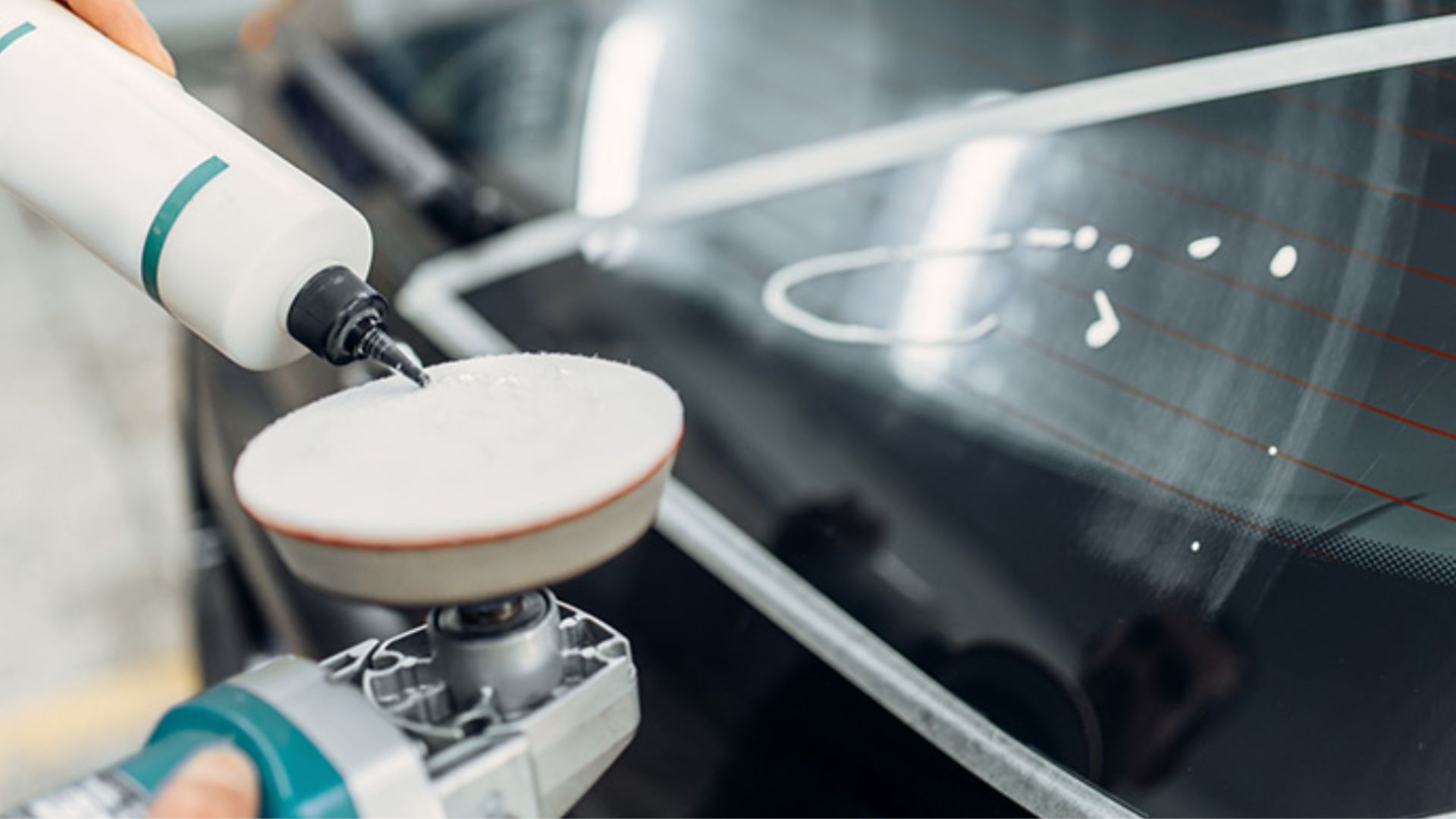
The abrasive industry is an important industrial processing field that involves a wide range of materials and products, from metals, ceramics, glass, plastics to steel and mechanical parts. The production and use of abrasive products must comply with relevant regulations and standards to ensure product safety and quality. This article will introduce some common regulations in the abrasive industry.

Safety regulations in the abrasive industry

The safety of abrasive products is a key concern for users, and relevant regulations aim to protect users’ safety. The following are some common safety regulations for abrasive products:
European CE certification:
CE certification is a necessary requirement for abrasive products to enter the European market. The certification requires abrasive products to comply with EU standards and requirements and pass corresponding tests and certification.
US OSHA standards:
The standards of the US Occupational Safety and Health Administration (OSHA) are the legal basis for abrasive product safety in the United States. The standard requires abrasive products to be labeled with warning signs and safety instructions and to comply with relevant safety standards and requirements.
Chinese national standards:
Chinese national standards specify the basic safety requirements for abrasive products, including requirements for product design, manufacturing, labeling, packaging, etc., and require products to comply with relevant testing and evaluation.
Environmental regulations for abrasive products

The environmental impact of pollutants and waste generated during the production and use of grinding products is a major concern. Therefore, the production and use of grinding products must comply with relevant environmental regulations. Here are some common environmental regulations for grinding products:
European REACH Regulations:
REACH refers to the European Union’s regulations on the restriction, evaluation, and authorization of chemicals. Grinding product manufacturers must register, evaluate, and authorize chemicals to ensure that the chemicals used in grinding products do not harm human health and the environment.
European RoHS Regulations:
RoHS refers to the Restriction of Hazardous Substances Directive, an EU regulation that aims to restrict the use of hazardous substances in electrical and electronic equipment. The RoHS standard lists six hazardous substances, including lead, mercury, cadmium, hexavalent chromium, polybrominated biphenyls, and polybrominated diphenyl ethers. Grinding product manufacturers must ensure that their products comply with RoHS standards.
US EPA Regulations:
The US Environmental Protection Agency (EPA) has established a series of regulations to limit the environmental impact of grinding products.
Labour Regulations in the Grinding Industry

The grinding industry is a labor-intensive sector that requires a significant amount of human resources during the production process. Therefore, labor standards regulations for the grinding industry are of significant importance in protecting workers’ rights and welfare. The following are some common labor standards regulations for the grinding industry:
Minimum wage
The minimum wage standard for the grinding industry is set by the local government to ensure workers’ basic living standards. The minimum wage standard varies depending on the region and industry.
Working hours
The working hours in the grinding industry usually do not exceed 8 hours per day, and the weekly working hours do not exceed 44 hours. Workers are entitled to at least one day of rest per week.
Occupational health and safety
The production environment in the grinding industry must comply with local government-established occupational health and safety standards. Grinding machines must undergo safety testing and regular maintenance to ensure safe operation. In addition, workers in the grinding industry must be equipped with personal protective equipment such as earplugs, masks, gloves, safety shoes, etc.
Employment contract
Workers in the grinding industry must sign an employment contract, which includes job responsibilities, salary, working hours, leave, insurance, and benefits.
Employment insurance
Companies in the grinding industry must provide workers with employment insurance, including basic endowment insurance, basic medical insurance, unemployment insurance, work-related injury insurance, and maternity insurance.
Labor dispute resolution
Workers in the grinding industry have the right to file a complaint, and companies must handle labor disputes according to local relevant legal procedures.
Regulations on Occupational Safety and Health in the Grinding Industry

Occupational Accident Prevention Act
It is a fundamental occupational safety and health regulation that aims to protect workers’ lives, bodies, and properties. Enterprises in the grinding industry must develop occupational accident prevention plans to ensure the safety and health of workers during the grinding process.
Occupational Disease Prevention and Control Act
It is a regulation that safeguards workers’ health and aims to prevent the harm caused by the work environment. Enterprises in the grinding industry must conduct regular occupational health examinations to detect and prevent the occurrence of occupational diseases.
Occupational Safety and Health Act
It is a comprehensive occupational safety and health regulation that aims to ensure the safety and health of workers in the work environment. Enterprises in the grinding industry must set up safety signs, provide safety education and training, and conduct regular safety inspections to ensure the safety of workers.
Conclusion
The production process of the grinding industry involves numerous regulations, and companies must comply with these regulations to ensure safety and environmental protection in the production process. Additionally, companies should enhance worker safety education and training, increase worker safety awareness, and ensure a smooth production process. Only in this way can the grinding industry develop in a healthy and stable manner and contribute to the advancement of society and the economy.