
Shipbuilding refers to the process of building the ship described in the design drawings, including the whole process from material selection to assembly and installation, testing and acceptance.
In modern industrial production, shipbuilding has become a highly specialized and technological field, involving hull design, structural design, power system, automatic control system, fuel system and many other aspects. This is not only an important industry, but also a very challenging and technical industry. In the shipbuilding process, strict standards and regulations need to be followed, such as: the regulations and supervision of classification societies. At the same time, in order to improve the performance and life of ships, shipbuilding enterprises need to continuously carry out technological research and development and innovation, continuously introduce advanced technologies and processes, and apply them to actual production.
Grinding technology related to shipbuilding industry
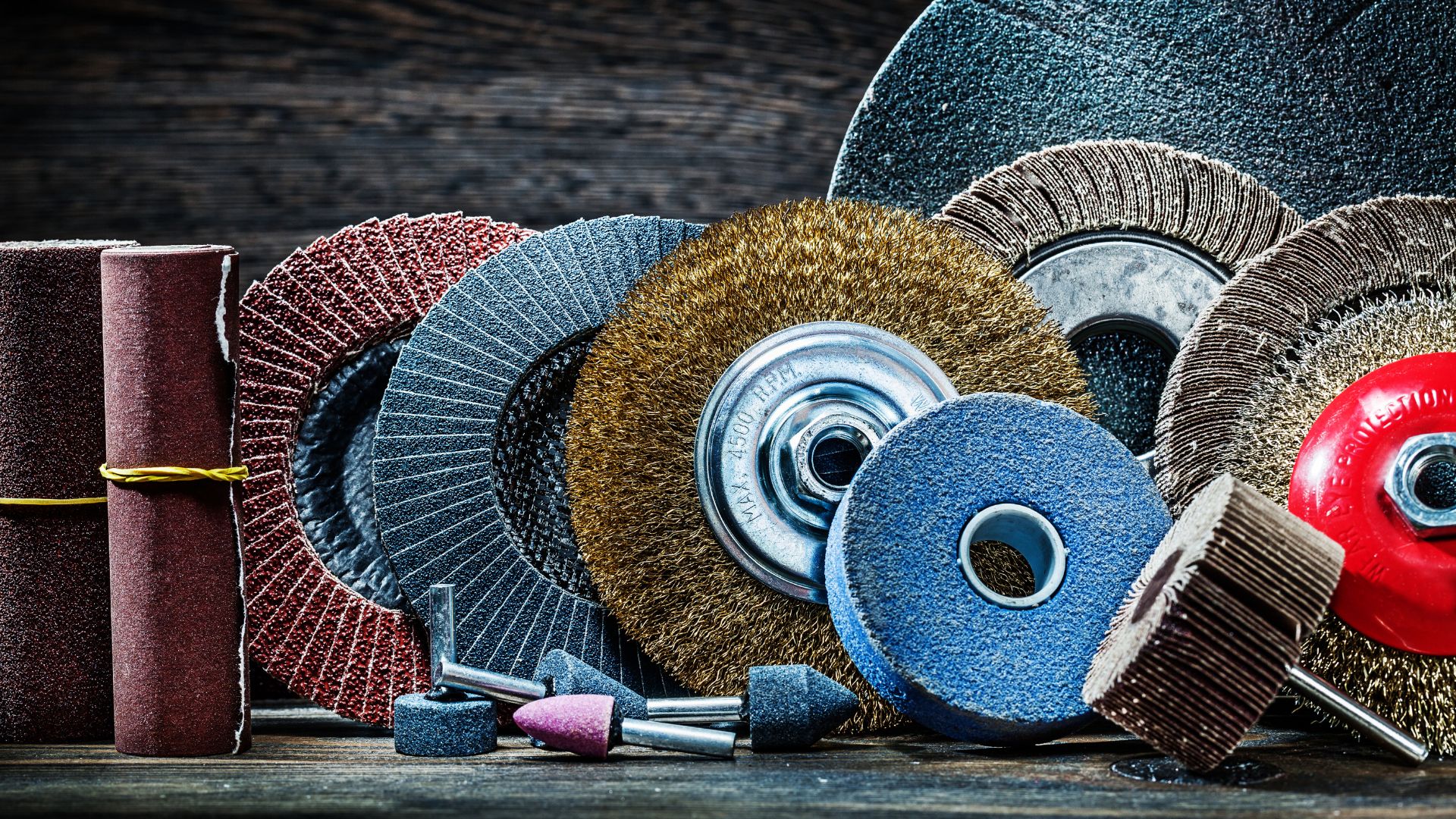
Shipbuilding produces large (mainly ocean-going) vessels for the merchant fleet (cargo or passenger), the offshore energy industry, or military purposes. It also includes products and services provided for the construction, refit and maintenance of these vessels. Usually steel is used, but other materials including wood and composites are also used. It involves many different crafts and techniques to create a variety of different ships. Grinding tools and products are essential in this process, and they can be used to create and repair a variety of different metal components. Metal is the most commonly used material for these processes because it is very strong, durable and can withstand corrosion from seawater.
However, metals are subject to many defects such as burrs, punctures and dents during production. These deficiencies, if not addressed in a timely manner, can have a serious impact on the performance and safety of the ship. At this time, grinding products play a role. Through grinding, these defects can be removed, the smoothness and gloss of the metal surface can be improved, and the strength and corrosion resistance of the metal can be enhanced.
Many different grinding techniques are used in shipbuilding to deal with surface imperfections of different materials. Here are some common sanding techniques:
| hand grinding | his is the most basic sanding technique. Manual sanding using hand-held sanding tools such as sandpaper, metal brushes, grinding wheels, etc. This technique requires skilled workers and a long time, but it works well for complex shapes and curved surfaces. |
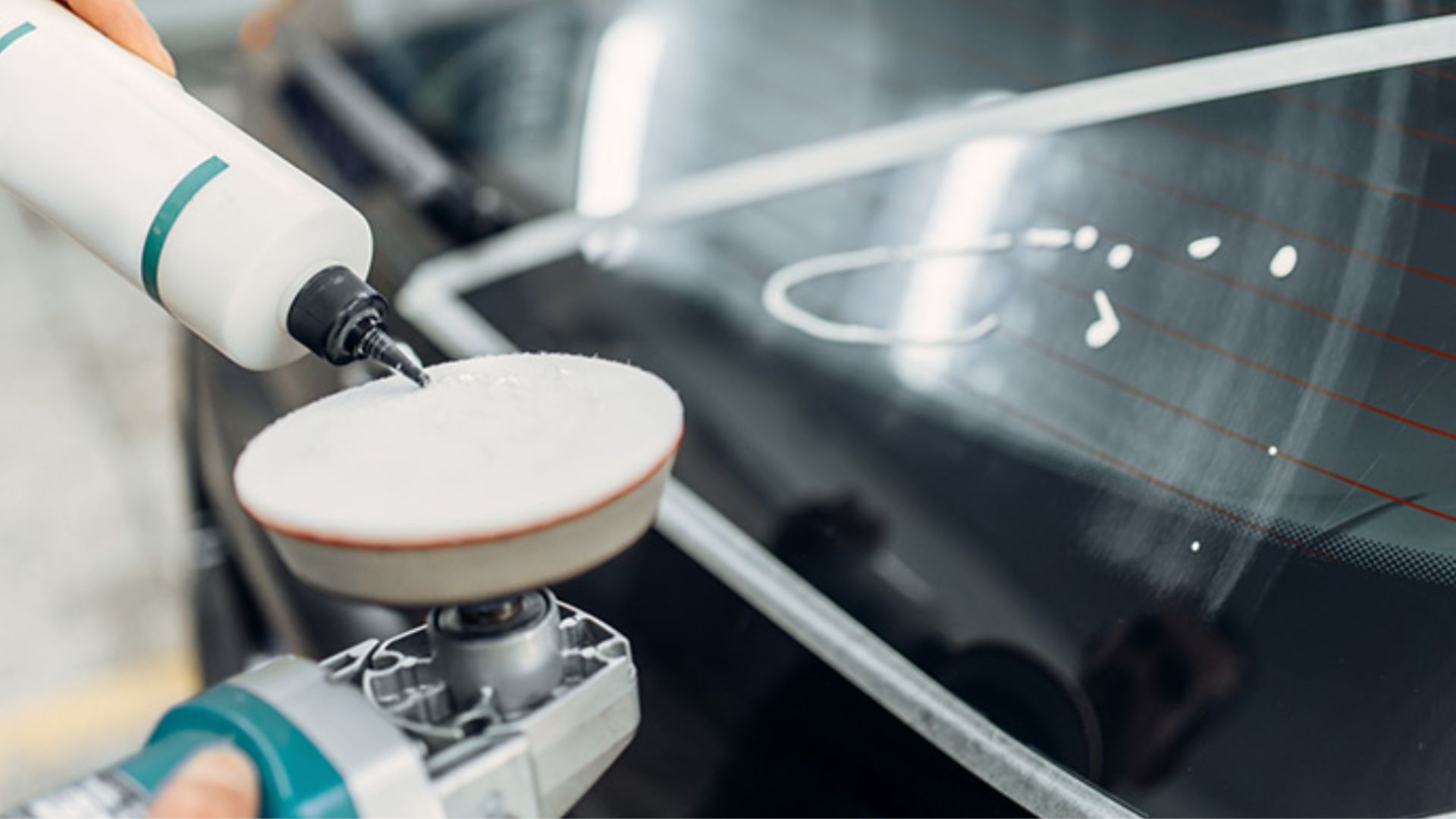
| machine grinding | An automated grinding technique, usually using machines such as rotary grinders, grinders, polishers, etc. This technology is fast and efficient, but requires a high degree of automation equipment and professional skills, and has certain limitations for the processing of complex shapes and curved surfaces. |
| chemical grinding | This is a technique for surface treatment using chemicals. Usually, chemical corrosives or abrasives are used for surface treatment, which can remove surface defects and increase the smoothness and gloss of the metal surface, but attention should be paid to the safety of chemical substances and environmental pollution. |
Application
The hull is a very important component that needs to have high strength and corrosion resistance. During the manufacturing process, ship hulls often require the use of sanding tools and abrasive products to remove defects such as burrs, punctures and dents to improve their smoothness and gloss. Here are four examples for you:
Deck

The deck and deck need to be ground to remove bad surfaces such as burrs and oxide scales, so as to achieve a smooth and clean effect. This can improve the operational efficiency and stability of the ship, as well as improve the appearance quality and maintenance effect of the ship. Abrasive products such as grinding wheels, sandpaper, brushes, etc. can be used to process decks and decks.
Propeller

Propeller is a key part of ship propulsion, it needs to have high corrosion resistance and smoothness. During the manufacturing process, propellers often require smoothing and surface polishing using grinding tools and abrasive products to improve their propulsion efficiency.
Wire rope

Steel wire is an important part of a ship to maintain balance and stability. Steel cables often require smoothing and surface treatment with grinding tools and abrasive products to remove burrs and punctures from their surfaces, and to increase their corrosion resistance and service life.
Ship pipelines

Ship pipelines are key components for transporting liquids and gases on ships. During the manufacturing process, the pipeline uses grinding tools and abrasive products for surface treatment and deburring to ensure the smoothness and tightness of the pipeline, reduce fluid resistance, and improve transportation efficiency.
Conclusion
To sum up, abrasive products and grinding technology are indispensable in the shipbuilding process. They can remove defects and burrs on the metal surface, improve the smoothness and gloss of the metal surface, and enhance the strength and corrosion resistance of the metal, thereby improving the service life and performance of the ship.
Different shipbuilding products require different technologies and products, so when selecting and applying these products and technologies, they need to be evaluated and selected according to the actual situation. In addition, when using these products and technologies, safety and environmental protection issues also need to be paid attention to. For example, when using chemical corrosive agents for surface treatment, relevant safety regulations and measures need to be followed to avoid pollution and harm to the environment. We can better protect the marine ecological environment and achieve sustainable development.
References
- https://www.engineeringnews.co.za/article/grinding-techniques-your-partner-in-ship-building-and-repairs-2020-05-05
- https://darcam.com.tw/12028/robodk-propeller-sanding