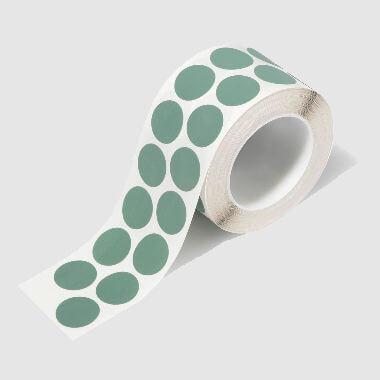
STARCKE products are available for sanding galvanised steel sheet and aluminium in bodywork and automotive supplier stamping operations. Confirm the grade for the material and processing conditions.
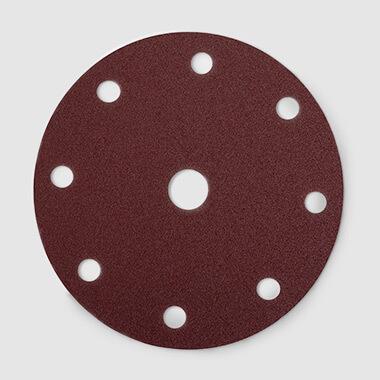
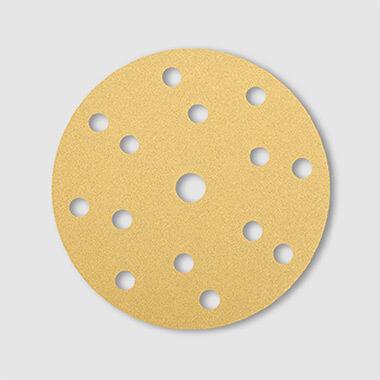
9-Hole Sanding Discs
Paper Backing
For automotive paint refinishing. Different hole patterns are available.
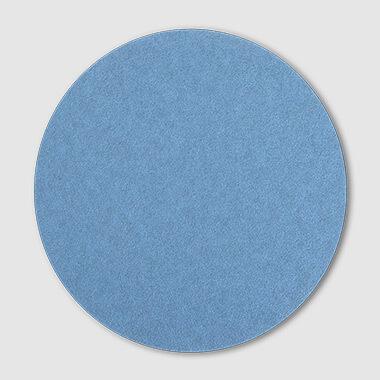
Sanding Discs
Cloth Backing
For paint preparation and wood sanding. Different versions are available.
E-COAT / PRIMER
E-Coat and Primer
For surface preparation associated with e-coat and primer, select abrasives according to the workpiece condition to address oxidation, paint marks, body adhesives, weld beads or PVC overspray. Before clear coating, inspect primer irregularities and follow the coating process and product requirements.
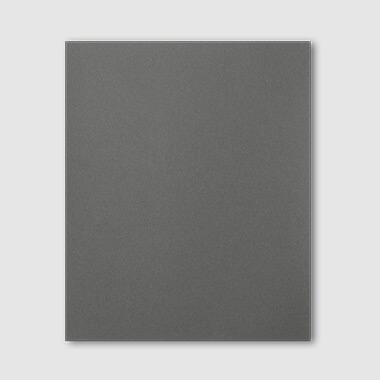
Wet-and-Dry Abrasive Paper
Paper Backing
For hand sanding.
Sanding Discs
Cloth Backing
For hand sanding.
Multi-Hole Sanding Discs
Confirm the hole pattern and backing for the specific model
Paper or highly tear-resistant film backing, depending on the model.
CLEAR COAT
Clear Coat
STARCKE finishing systems combine abrasives, polishing sponges and compounds for modern paint systems. Select the products to match the coating and required finish.
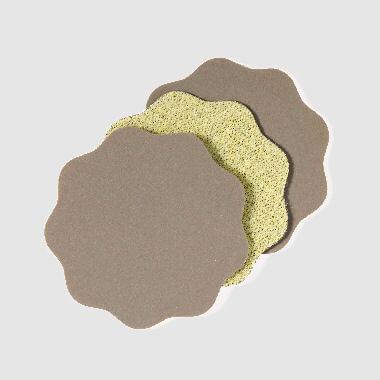
MATADOR Scalloped Discs
For dry sanding; self-adhesive and hook-and-loop options
For hand sanding.
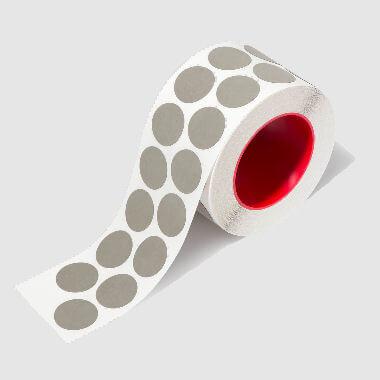
MATADOR Mini Sanding Discs (Dry)
For dry sanding; self-adhesive backing available
For hand sanding.
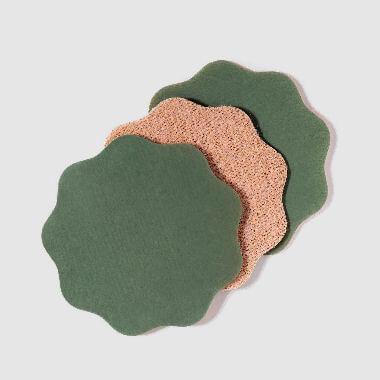
GIANT Scalloped Discs
For wet sanding; hook-and-loop backing available
For hand sanding.
GIANT Mini Sanding Discs (Wet)
For wet sanding; self-adhesive and hook-and-loop options
For hand sanding.
High-Performance Polishing Sponges
For polishing operations
For polishing operations; select the sponge and compound to suit the paint system.
FAQ
Frequently Asked Questions
HONXIN shares practical selection guidance to help customers assess processing efficiency and surface quality.
Distinguish bare body material, filler, primer, clear-coat correction and polishing, then select abrasives for the coating system, equipment and target surface.
First check the product designation, coating system and equipment. A change between dry and wet processing requires the abrasive and process to be reassessed.
Provide the machine model, disc diameter, hole pattern and attachment method, together with photographs of the pad and abrasive backing, to confirm mounting and dust extraction requirements.
Identify the defect, its location and subsequent polishing requirements, then choose an appropriate product and size for the process. Provide photographs and coating information to avoid unnecessarily extending the sanding area.
Provide the processing area, coating or bare-material condition, equipment, current abrasive, target result and required quantity so we can identify suitable products.
Discuss Your Automotive Application
Tell us your processing stage, equipment and target finish.