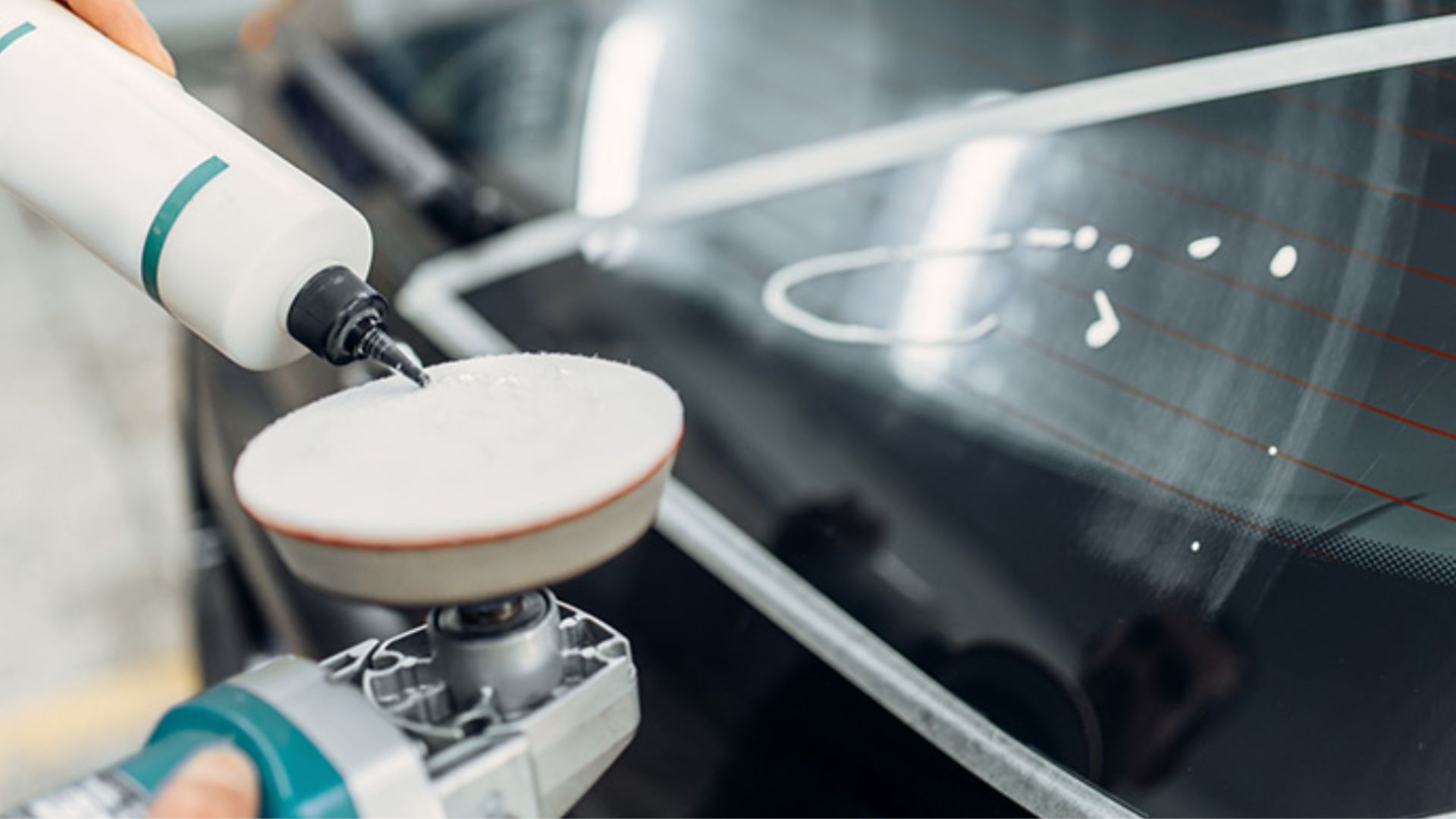
研磨矽砂

Grinding particle thickness – 2 minutes to show you the key factors that affect the grinding effect and surface roughness

Contents

The size of grinding particles refers to the particle size of the grinding material, which directly affects the grinding efficiency and surface roughness. Grinding particles are usually made of different materials such as silica, alumina, silicon carbide, diamond, etc., and their fineness is usually expressed by the abrasive grain size. Common indicators of abrasive grain size include FEPA and JIS, etc.

Abrasive thickness difference

The coarser the abrasive grain size, the higher the cutting force and cutting rate, and the faster the grinding effect, but the surface roughness is larger. This is because larger abrasive grains can quickly remove more material. This situation is usually applicable to the machining process that requires the quick removal of larger materials.

The finer the abrasive grain size, the smoother the surface roughness, but because the abrasive grain size is smaller, the cutting force and cutting rate will decrease, and the grinding effect will be relatively slower. This situation is usually applicable to the machining process that requires high surface quality and precision.

Practical application

The selection of grinding particle size needs to consider multiple factors, such as the hardness, strength, wear resistance, and heat softening temperature of the grinding material, as well as processing requirements such as surface roughness, flatness, dimensional accuracy, etc.

Different processing requirements and workpiece materials require different grinding particle sizes and grinding methods to achieve the best processing results and product quality. Therefore, in practical applications, it is necessary to comprehensively consider various factors for selection.

Example

Taking silica sand as an example, the particle size distribution of silica sand is usually between 10 and 220 mesh, with the coarsest particle size being 10 mesh and the finest being 220 mesh. In practical applications, different grinding particle sizes will have different effects on the grinding efficiency and surface roughness.

For example, for grinding metal materials, silica sand with a particle size of 80 to 120 mesh usually achieves better grinding results and surface roughness; for grinding materials such as glass and ceramics, finer grinding particles sizes usually achieve higher grinding efficiency and smoother surfaces.

About Honxin Abrasive

Honxin has been deeply rooted in the field of abrasive materials for over 50 years, and our core value as a company is to consistently exceed customer expectations. As a market leader, Honxin has gained an excellent reputation by delivering exceptional products. Throughout our journey, we adhere to the international quality standard ISO 9001, ensuring stable and top-notch products for our customers.

We provide ODM/OEM product services to various industries, and maintaining excellent quality is our utmost principle. Our commitment is to offer a “comprehensive solution” that maximizes benefits for our customers.


Recommended Articles
Dun & Bradstreet D-U-N-S Registered ™

Dun & Bradstreet D-U-N-S Registered ™ guides you in selecting the best company and enhancing competitiveness in 6 steps

Dun & Bradstreet D-U-N-S Registered ™ is a certification mark aimed at establishing trust and quality assurance. In the modern business world, trust and quality are key elements for building long-term relationships between companies and consumers. Whether it’s purchasing goods or using services, consumers want reliable and high-quality products. For companies, establishing a good reputation and having superior products are crucial for gaining consumer trust and winning market competition.

Learn More
Abrasive Grain Technology honxin abrasive

What is Abrasive Grain Technology? 5 Key Points Explained | VSM Grinding Technology Knowledge Base

It is crucial to select the appropriate abrasive mineral for each material during the grinding process. This not only prevents surface damage but also enhances the efficiency of the grinding operation, minimizing the overall time required. However, these minerals in abrasive grain technology do not possess the same hardness, leading to variations in their performance during grinding operations. Apart from structural differences, each mineral also exhibits unique characteristics, such as resistance to scratching, impact, and self-sharpening.

Learn More
拋光劑 polish compound

Polishing compound – take you from rough to smooth

Polishing compound is a chemical preparation widely used in the polishing and maintenance of surfaces such as automobiles, ships, furniture and metals. Polishing agent is an abrasive material, mainly used to treat shallow and small scars, and remove surface dirt and blemishes, making the surface scars less obvious, and can also improve the smoothness of the surface, thereby reducing friction and resistance, and improving the quality of automobiles and ships transport efficiency.

Learn More