
Glass is an ancient and magical material. It has the advantages of high transparency, corrosion resistance, and easy processing. It is widely used in construction, home furnishing, medical treatment, grinding, technology and other fields. Glass materials are constantly evolving and innovating. It is not only a practical industrial material, but also an important medium for artistic creation, which can create beautiful visual effects through special marketing such as transparency, gloss, and color.
Manufacturing Steps
1. Raw material selection
The main raw materials of glass include silica sand, bitter soil, sodium carbonate, limestone, laterite and so on. These raw materials need to be mixed in proper proportions to ensure that the glass produced has the desired physical and chemical properties.
2. Melting
After the ingredients are mixed, they need to be heated to high temperatures to melt them into glass. Melting usually takes place in a melting furnace and involves multiple passes of smelting and stirring to ensure a homogeneous glass composition.
3. Molding
Molten glass can be shaped in a number of ways, including injection molding, blow molding, extrusion, stretching, and more. These molding methods can be selected according to different glass products to ensure the accuracy of product shape and size.
4. Hardening
After the glass is formed, it needs to be hardened to improve its strength and heat resistance. Hardening, usually using heat or chemical treatments, creates a strengthening layer on the surface of the glass, improving its durability and impact resistance.
5. Processing
Formed and hardened glass can be subjected to various processing operations such as cutting, grinding, punching, drilling, etc. to suit different application needs.
Manufacturing method
1. Float method
The glass feedstock is melted at high temperatures and then flows into a huge tank called a float tank, which contains liquid tin. The raw glass material floats on the liquid tin and gradually forms a flat glass of uniform thickness, which is then cooled and solidified by a cooling system, and finally cut into glass sheets of the required size.
2. Electric arc furnace method
The glass raw material is put into a high temperature electric arc furnace, and the electric arc shuttles between the glass raw material and the electrodes, melting the raw material into glass liquid. The molten glass is flowed into the cooler, which cools the molten glass and solidifies it into a glass product.
3. Thermoplastic method
It is a commonly used method of making plastic glass and Plexiglas. In the thermoplastic method, glass raw materials are placed in a thermoplastic machine and heated at high temperatures to soften the raw materials. The raw material is pressed into the desired shape, and finally cooled and solidified to form a glass product.
Feature
1. High transparency
Glassware has extremely high light transmittance, allowing light to pass through it and presenting a clear image.
2. Hardness
The hardness of glass is relatively high, and it has certain compressive and tensile capabilities.
3. Heat resistance
It has extremely high thermal stability and can withstand high temperature environments.
4. Corrosion resistance
It has good corrosion resistance and can resist erosion in different environments such as acid, alkali, water and atmosphere.
5. Chemical stability
The chemical stability is very high, and it is not easy to chemically react with other substances.
6. Non-conductive
Good insulator, not easy to conduct electricity.
7. Ease of processing
Manufactured through a variety of processing methods, such as melting, stretching, pressure manufacturing and other methods, glass products of different shapes, sizes and thicknesses can be manufactured.
Type
| Type | Composition | Feature | Apply to |
| Silicate glass | Composed of silicon oxides, oxides and carbonates. | Most common glass. | Construction, home furnishing, industry, technology and other fields. |
| Boric Acid Glass | Composition of boric acid and oxides. | High temperature resistance, low melting point, corrosion resistance and other characteristics. | Fuel cells, liquid crystal displays, solar cells, etc. |
| Aluminosilicate Glass | Composed of alumina, silicon oxide and magnesium oxide. | High temperature resistance, corrosion resistance, high mechanical strength and other characteristics | Chemistry, medicine, science, etc. |
| Inorganic Non-Metallic Glass | It is composed of non-metallic elements such as nitrogen, phosphorus, sulfur, etc. and metal elements such as titanium, iridium, etc. | Excellent optical and electrical properties. | Lasers, optical fiber communications and other high-tech. |
| Plexiglass | Made of organic polymer materials such as polymethyl methacrylate. | Excellent transparency and plasticity. | Household, industry, technology and other fields. |
Applications in Grinding
1. Glass grinding
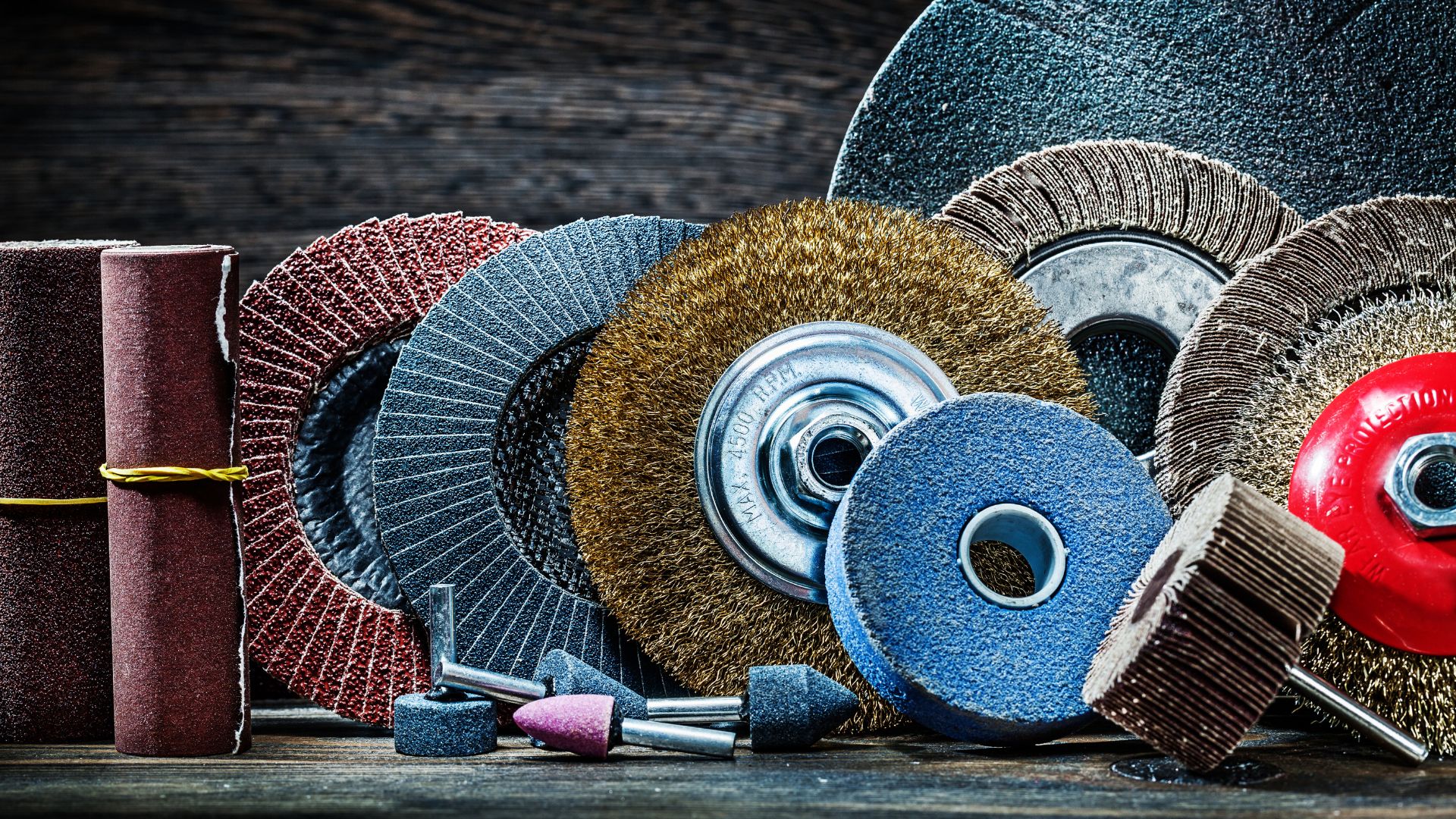
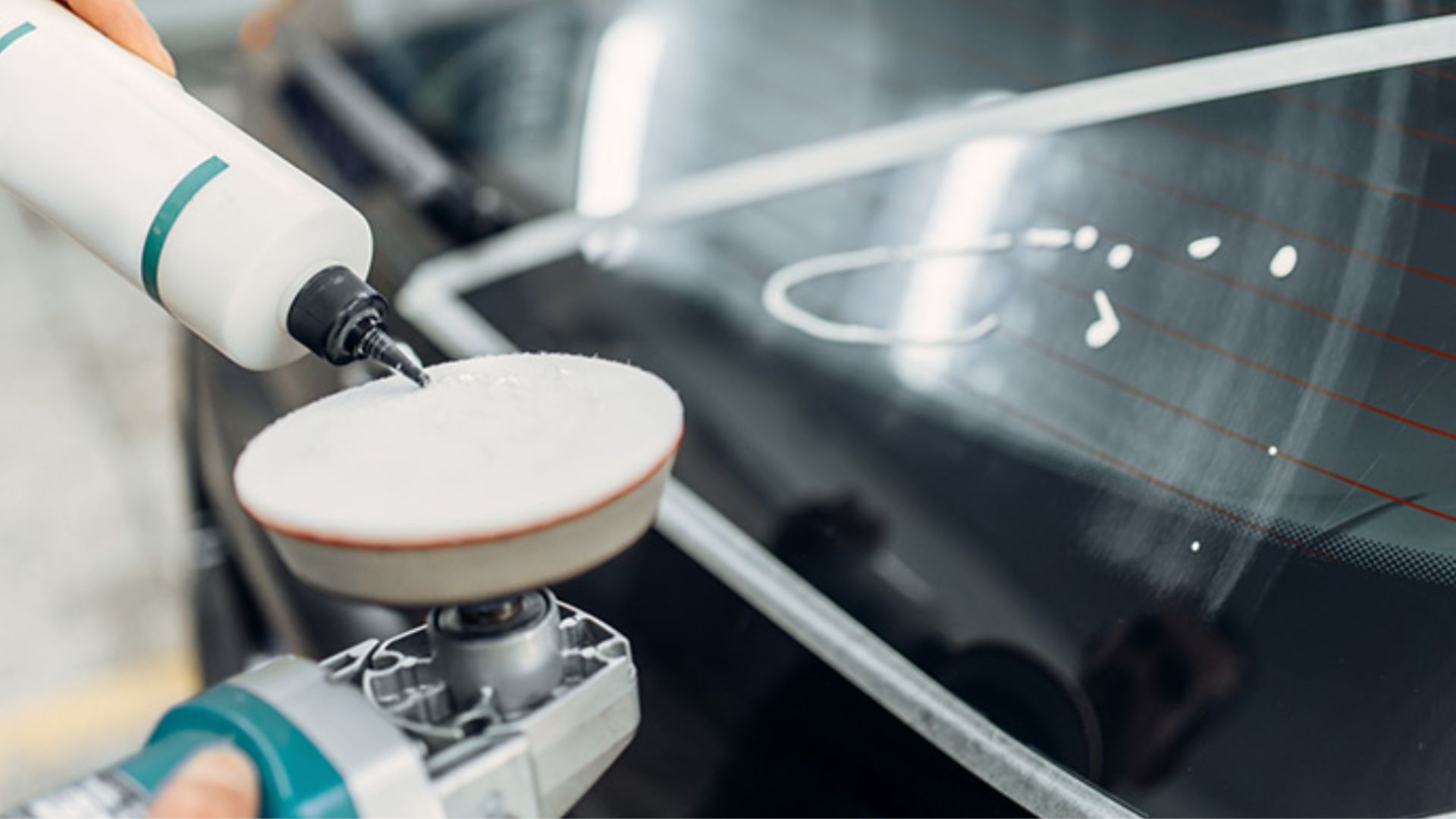
It needs to be ground and polished to improve its surface flatness and optical performance. Bonded or diamond wheels can be used for flat grinding, while finer grinding wheels or abrasive powders are required for polishing.
2. Glassware Grinding
Common applications include beakers, flasks, test tubes, etc. in the laboratory, and glass containers used in industry to store and transport liquids. These vessels need to be ground and polished with high precision to achieve good dimensional accuracy and surface quality.
3. Glass lens grinding
Surface grinding and polishing are required to produce high-precision surface shape and surface smoothness. These lenses can be used in optical instruments such as telescopes, photographic lenses, cameras and projectors.
4. Glass bearing grinding
Glass bearings need to be manufactured by high-precision grinding and polishing to achieve precise dimensions and surface smoothness. These bearings are often used in high-precision instruments and equipment.
Other Application
| Application | Feature | Apply to |
| Architecture and Decoration | Transparent glass can provide good lighting effects and increase the beauty of the interior space. | Windows, doors, partitions, ceilings, mirrors, bathroom accessories, etc. |
| Electronics and Optics | Requires highly pure glass material and special glass structure to ensure its good performance. | Displays, optical fibers, lasers, solar panels, etc. |
| Chemistry and Medical | 1. Chemical resistance makes it an ideal material. 2. Transparency and non-toxicity make it a safe choice. | Laboratory utensils, pipes, reactors, medical instruments, reagent bottles, syringes, etc. |
| Food and Drinks | Does not affect the taste of food and beverages and is easy to clean and reuse. | Bottles, jars, cups, etc. |
Conclusion
Glass is a very special material with many unique properties and a wide range of applications. The advantages of glass include high transparency, high hardness, chemical stability, heat resistance and corrosion resistance, etc., making it widely used in construction, food packaging, technology products, grinding and other fields.
Today, with the increasing awareness of environmental protection, glass recycling has become an important topic. Glass can be recycled an unlimited number of times without loss of quality, making glass a very environmentally friendly material. We should strengthen the importance and support of glass recycling to protect the earth and maintain the health of the environment.
Picture Resourse: