
The art of sanding is an integral craft in the field of grinding that involves the use of hand tools and materials to improve the quality and finish of the surface of the material. Manual sanding techniques are used in metalworking, woodworking, jewelry making, auto repair, arts and crafts, DIY home improvement, and arts and crafts.
This article focuses on the manual grinding skills of grinding. When we need to grind or polish a workpiece, we often first think of using mechanical equipment such as electric grinding wheels or electric grinding machines. However, in some cases it is more convenient and practical to use hand sanding paper or a hand sanding tool. Manual grinding and sanding techniques have a wide variety of applications, from home improvement and woodworking, to auto repair and crafts.
Select Material
| Material Types | Feature | Precautions |
| Metal | High hardness, strong wear resistance. | Using harder abrasive materials and hand tools is more time-consuming and labor-intensive. |
| Wood | Soft texture, easily damaged. | Use soft abrasive materials and hand tools that can easily damage the material. |
| Plastic | Soft, strong heat sensitivity. | The temperature needs to be controlled to avoid deformation of the material due to overheating. |
| Stone | High hardness, easy to break. | Abrasive abrasive material is required, handle with care to prevent stone shattering. |
| Glass | Brittle and easy to break. | Requires use of special abrasive materials and hand tools, careful handling to prevent glass shattering. |
Using tools
| Tool Types | Instructions | Feature | Apply to |
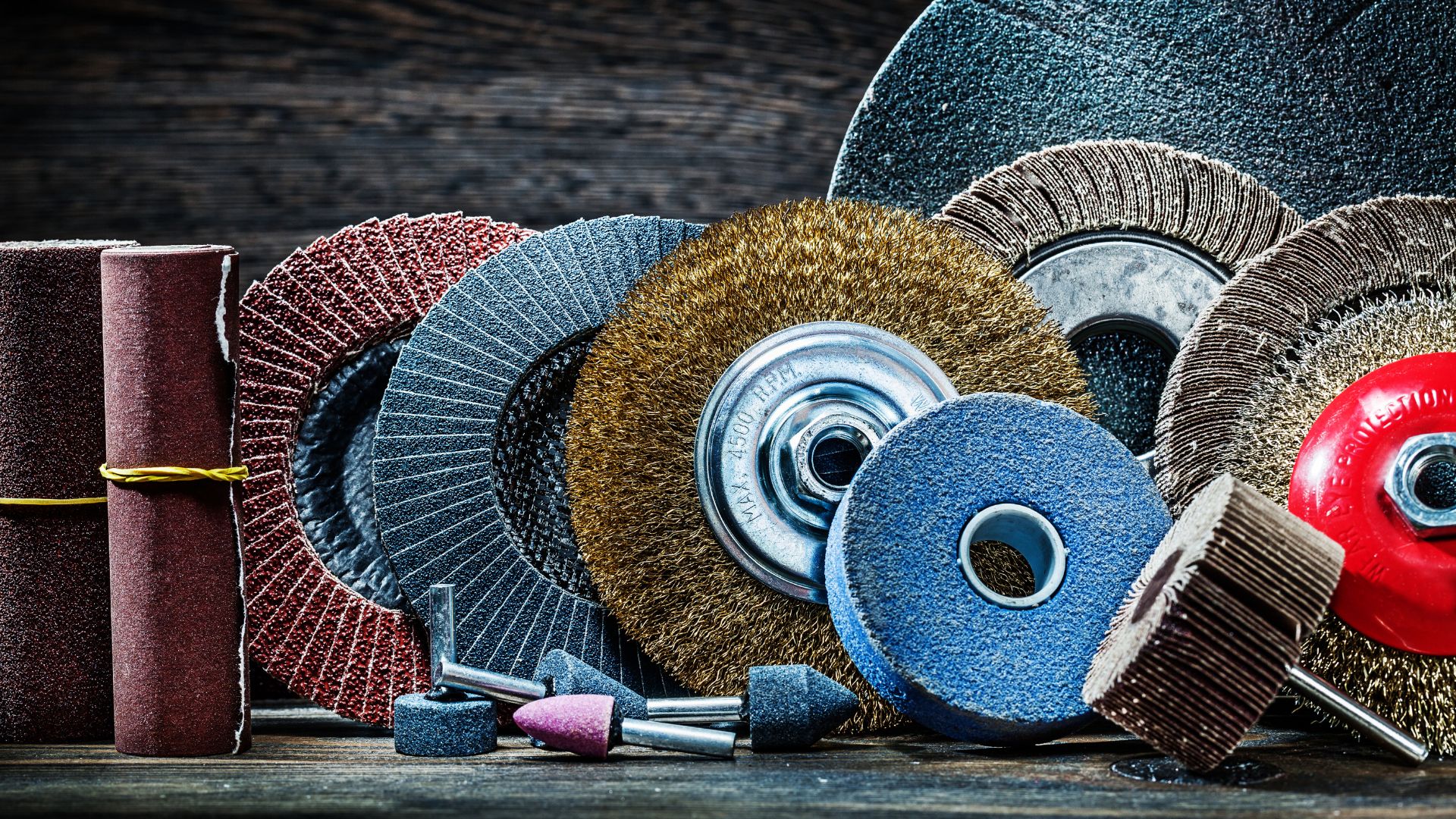
| Sandpaper | By hand or fixed on a block, for grinding flat or curved surfaces. | Can be used for coarse and fine grinding. | 1. Surface grinding. 2. Suitable for metal, wood, plastic, stone, etc. |
| Emery cloth | By hand or fixed on a block, for grinding flat or curved surfaces. | Can be used for coarse and fine grinding. | 1. Surface grinding. 2. Suitable for metal, wood, plastic, stone, etc. |
| Grinding wheel | Mounted on an electric grinder for grinding by rotation. | Can be used for quick material removal and edge trimming. | 1. Surface and edge grinding. 2. Suitable for metal, stone, etc. |
| Abrasive belt | Mounted on a hand held belt sander for grinding with a moving belt. | 1. Can be used for rough grinding and fine grinding. 2. Suitable for long workpieces. | 1. Surface and edge grinding. 2. Suitable for metal, wood, plastic, etc. |
| Wheel Cloth | By hand or fixed on a block, for grinding flat or curved surfaces. | 1. Can be used for fine grinding and polishing. 2. Provide a smoother surface effect. | 1. Surface grinding. 2. Suitable for metal, wood, plastic and other materials. |
| Grinding Stick | Handheld use for spot grinding and dressing. | Flexible and easy to use. | 1. Small area trimming and local grinding. 2. Suitable for metal, plastic, stone, etc. |
| Grinding Stone | Handheld use for spot grinding and dressing. | 1. Can be used for rough grinding and fine grinding. 2. Provide a finer grinding effect. | 1. Small area trimming and local grinding 2. Suitable for metal, stone, etc. |
Comparison between Manual Sanding and Automatic Sanding
| Technology | Feature | Apply to |
| Manual Sanding | 1. Simple operation. 2. Suitable for grinding of small area, complex shape or local trimming. 3. Can operate on a limited budget. 4. Requires lower equipment investment and maintenance costs. | 1. Grinding of small area, complex shape or partial modification. 2. Grinding needs that require flexibility and customization. 3. Grinding with a limited budget. 4. Beginner or experienced operator. |
| Automatic Sanding | 1. Operation automation. 2. High precision and consistency, suitable for large area and mass production. 3. High efficiency and high output grinding operations can be realized. 4. Can be integrated into the production line. | 1. Grinding for large area and mass production. 2. Grinding operations that require high precision and consistency. 3. Grinding requires high efficiency and high output. 4. Grinding operations in automated production lines. |
Application in Grinding
| Application | Feature | Apply to |
| Coarse Grinding | The intensity, speed and direction of grinding can be controlled. | To remove rough areas on the surface of the material before commencing grinding. |
| Fine Grinding | Grinding details can be precisely controlled. | After coarse grinding to further smooth and improve the surface finish of the material. |
| Linear Grinding | The grinding direction and strength are easy to control, suitable for large area grinding, and the speed is fast. | Ideal for grinding flat and straight surfaces, removing rough surfaces, trimming edges, and creating a consistent surface texture. |
| Curve Grinding | Requires experience and skill, and the control is more complicated, suitable for small area and fine grinding. | Ideal for grinding curved surfaces and complex shapes, smoothing and trimming curves, edges or irregular shapes. |
| Customized Grinding | Can be milled to achieve a unique finish and texture according to the requirements of the designer or artist. | Arts, crafts, etc. |
| Partial Modification | Requires fine handling and control for small areas and specific finishing needs. | Repair of local defects or blemishes such as scratches, dents, etc. |
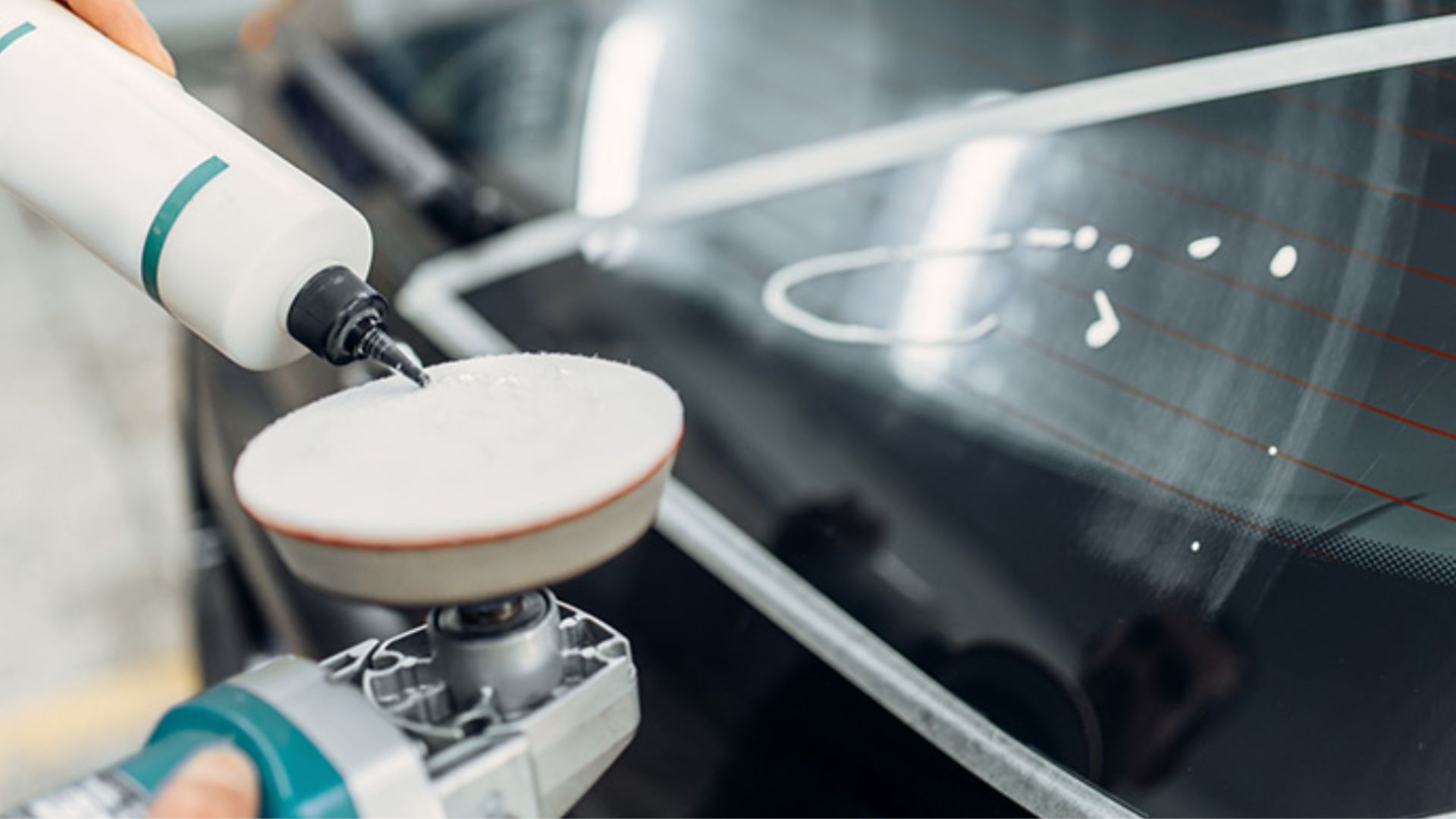
| Polishing | Need to use polishing compound and polishing cloth, suitable for polishing of various materials. | Final treatment for a smooth, shiny surface. |
Temperature Control
Controlling the grinding temperature is very important to ensure the grinding effect and material quality, so special attention should be paid during the manual grinding process and corresponding measures should be taken to control the temperature rise.
1. Use the appropriate grinding speed
Excessive grinding speed will cause excessive frictional heat generation, thereby increasing the temperature. Therefore, when manually grinding, an appropriate grinding speed should be selected according to the material properties and grinding requirements, and excessive grinding speed should be avoided.
2. Use coolant
In some cases where high-speed grinding is required, water or other suitable cooling fluids can be used to reduce the temperature of the grinding area. Coolant can control the temperature rise by reducing the frictional heat in the grinding area.
3. Apply proper pressure
Appropriate pressure should be applied, excessive pressure will cause frictional heat in the grinding area to increase, thereby increasing the temperature.
4. Periodically suspend the grinding operation
The grinding operation can be paused periodically to allow the heat emanating from the surface of the material to dissipate, thus avoiding overheating. This is achieved by taking periodic pauses during the grinding process and allowing the surface of the material to cool for a period of time.
5. Use suitable abrasive tools and abrasive materials
Different types of abrasive tools and abrasive materials may have different effects on temperature.
6. Monitor temperature
Tools such as a thermometer should be used to monitor the temperature of the grinding area, and measures should be taken if the temperature rises too rapidly, such as slowing down the grinding speed, applying appropriate pressure, or using coolant, etc.
Conclusion
Manual sanding technique is an important skill in the grinding process to effectively work with a variety of materials and achieve the desired surface quality. With correct operation and skill, the grinding speed, pressure, angle and use of coolant can be controlled to achieve precise grinding of the material and avoid excessive temperatures. Manual sanding techniques require experience and skill, but once mastered, excellent results can be obtained in the grinding process. When performing manual grinding, pay attention to temperature control, select appropriate grinding tools and grinding materials, stop grinding operations regularly, and monitor temperature changes, so as to ensure the stability of grinding effect and material quality.
picture resource: