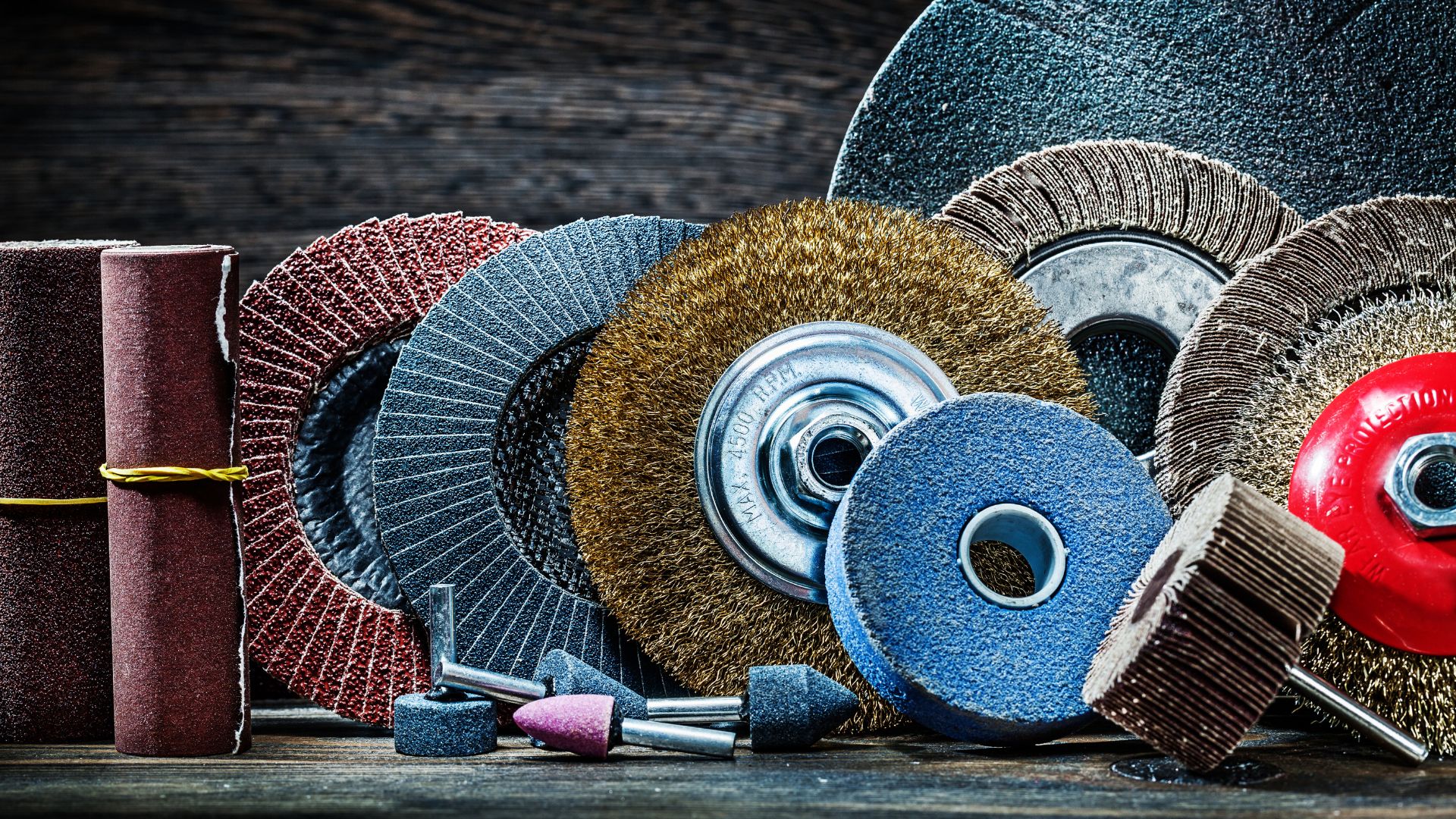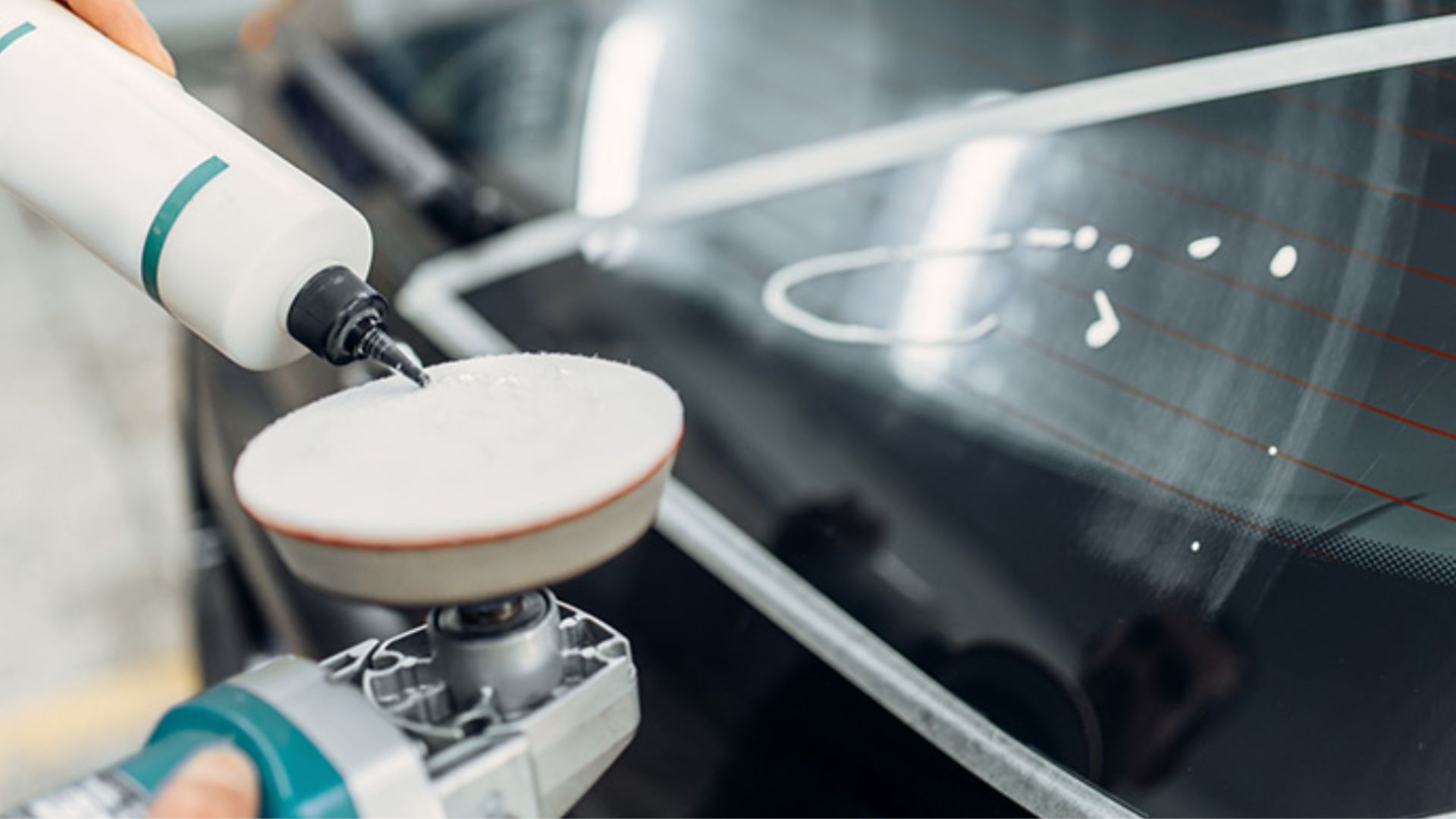

In the field of metal processing, the quality and finish of the surface is often of great importance. To achieve these goals, processes such as grinding and grinding are integral steps. In this process, the choice of abrasive has a very important impact on the final processing effect. This article will introduce the process and effect of using aluminum oxide abrasive materials to achieve rough grinding, dressing and polishing of metal surfaces.
Feature
1. High hardness
It is grade 9 on the Mohs hardness scale, second only to diamond and silicon carbide. Therefore, it can be used for grinding materials with various hardness, such as metal, ceramics, glass and so on.
2. Strong wear resistance
During the grinding process, its own wear is very small, and it can maintain high grinding efficiency and stability for a long time.
3. High temperature qualitative
Can work in a high temperature environment. The alumina abrasive can be used in high-temperature processing, high-speed processing and high-pressure processing and other occasions.
4. Scope of application
Alumina grinding materials can be used for grinding of many different materials, such as metals, ceramics, pottery, pottery, etc. In addition, it can also be used in different processing methods, such as manual grinding, mechanical grinding, polishing, etc.
5. Not easy to deform
Due to the hardness and wear resistance of the alumina abrasive, it is not easily deformed, thus ensuring the concentration and quality of the grinding process.
6. The price is relatively low
Compared with other abrasives, the price of alumina abrasives is relatively low, which can reduce the output to a certain extent.
Crystal structure
The crystal structure of alumina is formed by the interaction of oxygen and aluminum elements through covalent and ionic bonds. At room temperature, alumina can exhibit a variety of crystal structures, of which the two most stable structures are α-Al2O3 and γ-Al2O3.
| Type | α-Al2O3 | γ-Al2O3 |
| Feature | 1. It is a cubic crystal structure, also known as other quartz structures.2. It has a high degree of symmetry and stability. | It is a cubic packing structure, also known as a spiral quartz structure. |
| Structure | Each aluminum atom is surrounded by six oxygen atoms, and each oxygen atom is also surrounded by six aluminum atoms, forming a dense three-dimensional network structure. | Each aluminum atom is also surrounded by six oxygen atoms, but the crystal structure is looser than that of α-Al2O3 and has different shapes and properties. |
| Lattice Constant | About 0.48 nm | About 0.79 nm |
| Density | Density approx. 3.95 g/cm³ | Density approx. 3.95 g/cm³ |
Resolve Resolution
| Method | Vacuum Thermal Decomposition | Hydrolysis | Chemical Vapor Deposition (CVD) |
| Decomposition Method | Decomposition by exposing aluminum salts and oxidizing agents to vacuum at high temperature. | By hydrolyzing aluminum metal or aluminum salt in water, and then converting the obtained aluminum hydroxide into alumina through heating, roasting, etc. | By reacting aluminum and an oxygen source at high temperature, the product forms alumina particles in the gas phase, which are then deposited onto the substrate surface to form a thin film. |
| Advantage | High product purity, suitable for mass production. | Simple operation and low cost. | Can control the thickness and shape of aluminum oxide film, suitable for microelectronic devices, optical devices and other fields. |
| Disadvantage | High cost, requiring high equipment and energy costs. | Product purity is low, yield is small. | Requires strict reaction conditions and high-quality substrates. |
Application of Grinding
| Application | Feature | Apply to |
| Abrasive | 1. Good wear resistance and chemical stability. 2. Abrasives with different particle sizes can be manufactured. | Glass, ceramics, metal and other materials. |
| Grinding wheel | 1. Has high hardness and high strength. 2. The chemical stability of alumina can avoid oxidation reactions in the grinding process. | Aluminum alloy, stainless steel, glass, etc. |
| Grinding media | 1. Used for grinding various materials. 2. Manufactured into grinding media of different particle sizes and shapes. | Ores, ceramics, quartz, etc. |
Other Application
Alumina is a widely used functional ceramic material, which has been widely used in many fields due to its excellent physical and chemical properties. The following are several main application areas of alumina:
| Application | Feature | Apply to |
| Optical Instrument | An excellent optical material. | Filters, mirrors, optical windows, fiber amplifiers, etc. |
| Paint Material | Can be used as coating material due to its excellent abrasion resistance, high temperature resistance and chemical stability. | Coating of vehicles, ships and aircraft, as well as anti-corrosion materials in the construction and chemical industry. |
| Catalyst | Chemical stability and high surface area can improve catalyst activity and selectivity. | Widely used in the petroleum and chemical industry. |
| Electrical Insulating Material | High insulating properties make it an ideal electrical insulating material. | Manufacture of high-voltage switches, power capacitors, cables. |
| Biomaterials | Has good biocompatibility and biostability. | Manufacture of biomaterials such as orthopedic implants, artificial joints and dental fillings. |
Conclusion
Alumina is a very important ceramic material with good physical and chemical properties and is widely used in various fields. Its high hardness, high thermal stability, high chemical stability and other characteristics make it an ideal grinding material for the manufacture of various high-performance products. At the same time, the advantages of high melting point, small thermal expansion coefficient and good thermal conductivity of alumina also make it widely used in high temperature environments. In the future, with the continuous development and progress of science and technology, it is believed that the application of alumina in various fields will continue to expand, and it will play a more important role in future material research.
Picture resource: