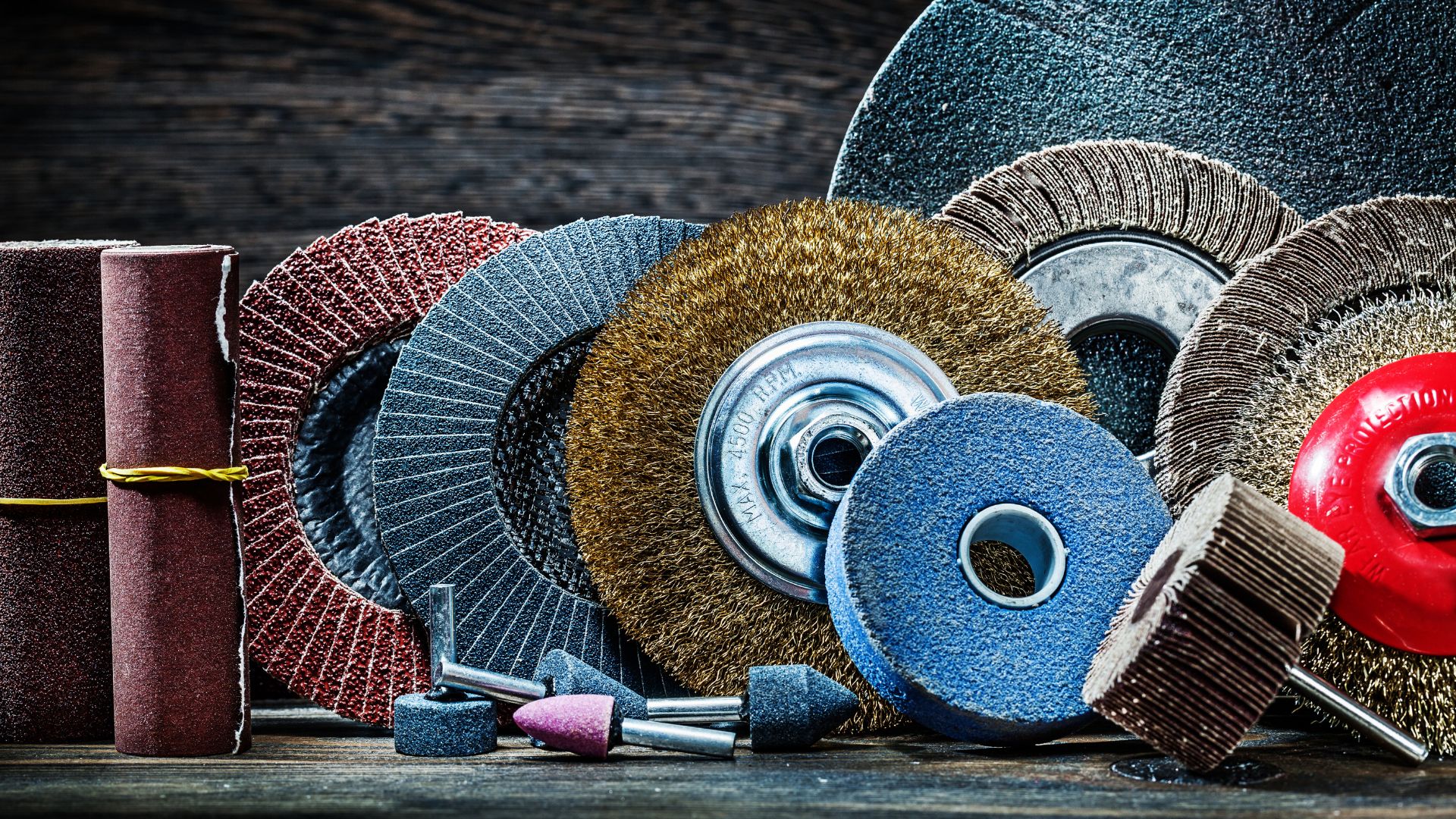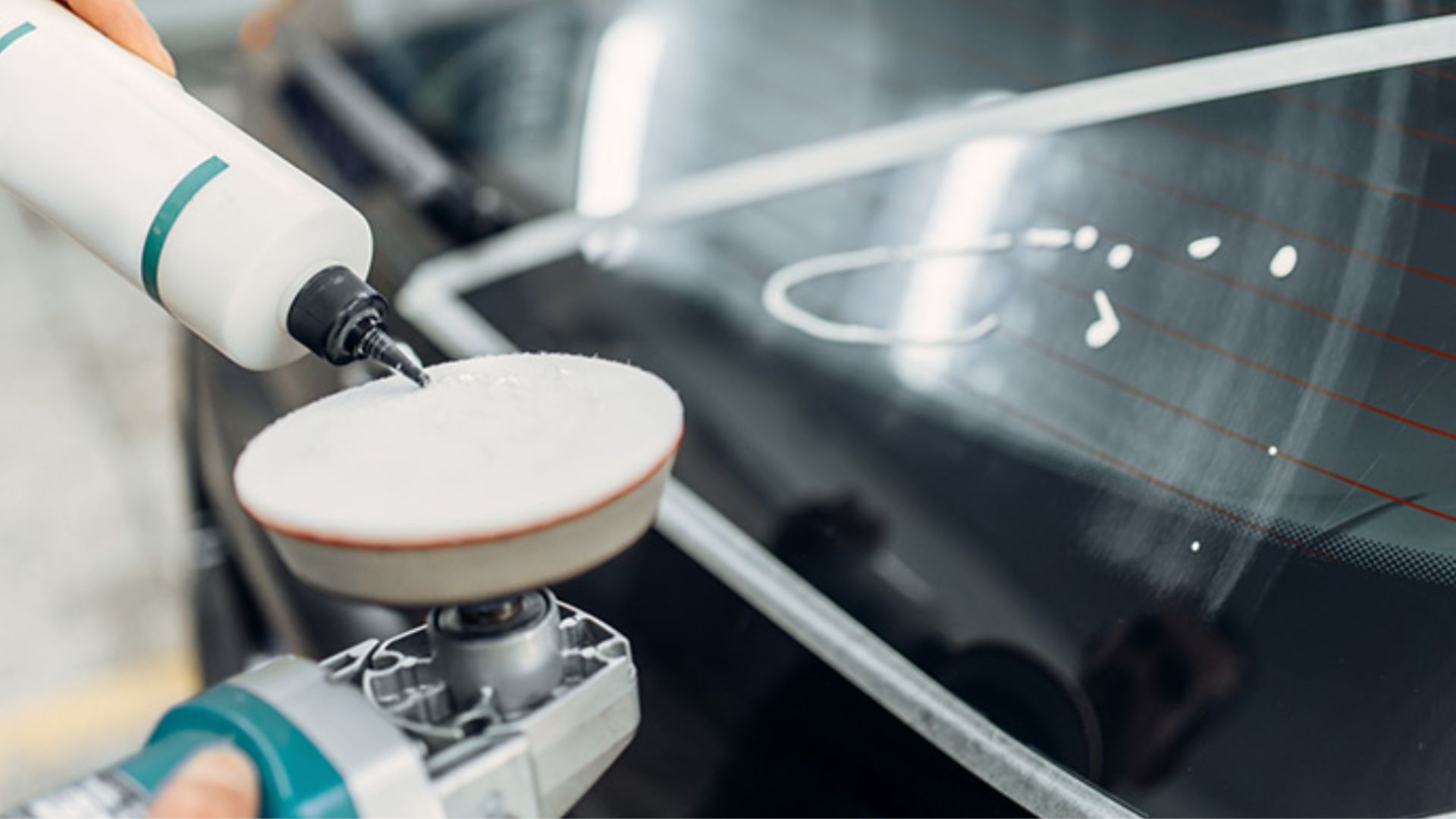
A grinding disc is a flat abrasive tool that rotates and applies pressure on its surface to achieve smooth, fine, and even finishing on a work-piece. This tool can effectively remove surface defects and create high-precision parts in a short amount of time without compromising the quality. In this article, we will discuss the types, applications, selection, and safe usage of grinding discs.
Types and Characteristics of Grinding Wheels
Grinding wheels are common tools used in grinding and polishing processes. The types and characteristics of grinding wheels determine the materials they are suitable for and the quality of the results they produce. Here are some common types and characteristics of grinding wheels:
| Types | Characteristics |
| Grinding Wheel | A grinding wheel is a tool used for metal, stone, ceramic, and other hard material processing. They are typically made of materials such as silicon carbide, aluminum oxide, and come in various shapes and sizes. Grinding wheels are known for their high efficiency and precision, but the heat generated during processing can cause deformations, cracks, and other defects in the processed materials. |
| Diamond Grinding Wheel | Diamond grinding wheels are high-precision and high-efficiency wheels used for processing high-hardness materials such as glass, ceramics, and gems. They are typically made of diamond crystals and metal powders, and can provide smoother and more precise surface processing effects. |
| Cubic Boron Nitride (CBN) Grinding Wheel | CBN grinding wheels are artificial synthetic material made of cubic boron nitride used for processing high-hardness and high-strength materials, such as hard alloys, glass, and ceramics. CBN grinding wheels are known for their high wear resistance, high precision, and high efficiency, but they are also more expensive to manufacture. |
| Rubber Grinding Wheel | Rubber grinding wheels are made of rubber and are used for processing soft materials such as rubber, plastic, and leather. Rubber grinding wheels have the advantages of good flexibility and less heat generation, but they have lower grinding efficiency and a narrower range of applications. |
| Hard Alloy Grinding Wheel | Hard alloy grinding wheels are usually made of materials such as tungsten steel, cobalt, and carbon, and can be used for processing various materials. They are known for their high strength, hardness, and wear resistance, allowing for high-efficiency and high-precision grinding processing. |
| Hard Zirconia Grinding Wheel | Hard zirconia grinding wheels are usually made of zirconia oxide and other additives. They are high-hardness, high-strength, and high-wear resistance grinding wheels used for processing ceramics, metals, and other high-hardness materials, with good thermal stability and chemical stability. |
Grinding Wheel Structure: Abrasive + Bond + Substrate
A grinding wheel is mainly composed of a substrate, abrasive, and bond. The substrate is the main body of the grinding wheel, and its hardness and elasticity are important factors that ensure the grinding effect and the service life of the grinding wheel. It can withstand the effects of grinding force and heat. The choice of abrasive is usually based on the hardness of the material being ground and the grinding requirements. The choice of bond is usually based on the characteristics of the abrasive and substrate, as well as the grinding requirements. This article divides the structure of the grinding wheel into substrate, abrasive, and bond, and explains and organizes it in a table.
substrate – Common Types and Characteristics
| Grinding wheel substrate | Properties | |
| Adhesive grinding wheel | Adhesive has good flexibility and can be used for grinding various shaped workpieces | |
| Sand cloth grinding wheel | Aluminum base | Lightweight, good heat dissipation, rust-free |
| Iron base | Heavier, more sturdy and durable, high-temperature resistance | |
| Crystal grinding wheel | Aluminum base | Diamond crystal grinding layer has high hardness, high grinding efficiency, and good grinding quality. |
| Iron base | Diamond crystal grinding layer has high hardness, good wear resistance, and long service life. | |
| Rubber grinding wheel | Aluminum base | Rubber grinding layer is soft, can grind high hardness workpieces, and has high surface smoothness. |
| Iron base | Good wear resistance, long service life, and good grinding effect. | |
| Diamond Grinding Wheel | Aluminum base | Artificial diamond grinding layers have high hardness, good wear resistance, and long service life. |
| Iron base | Good wear resistance, long service life, and good grinding effect. | |
| Carbide Grinding Wheel | Aluminum base | Hard alloy grinding layers have high hardness, good wear resistance, and long service life. |
| Iron base | Good wear resistance, long service life, and good grinding effect. | |
Abrasive – Common Types and Characteristics
| Grinding Wheel Abrasives | Features |
| Aluminum Oxide | Good heat resistance, high hardness, good wear resistance, high processing efficiency |
| Silicon Carbide | High heat resistance, hardness and wear resistance, high processing efficiency |
| Bamboo Charcoal | Good heat resistance, hardness and wear resistance, does not generate static electricity, environmentally friendly |
| Diamond | Extremely high hardness and wear resistance, high processing efficiency, suitable for processing hard materials |
| Zirconia | High hardness, good wear resistance, high processing efficiency, low surface roughness |
Binder – Common Types and Characteristics
| Grinding wheel binders | Characteristics |
| Perlite | High temperature resistance, good thermal stability, high processing efficiency, no static electricity |
| Glass | High temperature resistance, good thermal shock resistance, good wear resistance, high processing efficiency |
| Resin | High processing efficiency, low surface roughness, suitable for soft materials |
| Metal | Good heat resistance, good wear resistance, high processing efficiency, suitable for metal processing |
| Ceramics | Good heat resistance, high hardness, good wear resistance, high processing efficiency |
The above only lists several common substrates, abrasives, and binders in grinding wheels and their characteristics. When using them in practice, suitable abrasives should be selected based on the materials being processed and the desired processing effect.

Applications of grinding wheels
The following table lists common applications of grinding wheels and the corresponding workpiece materials. Actual use should be based on specific conditions and the selection of appropriate grinding wheels and processing parameters.
| Various Industries | Applications |
| Metalworking | Removal of saw marks, grinding of welded surfaces, polishing of metal surfaces |
| Glass processing | Grinding of glass edges, polishing of glass surfaces |
| Stone processing | Grinding and leveling of stone surfaces, polishing of stone edges |
| Ceramic processing | Smoothing of ceramic surfaces, polishing of ceramic edges |
| Automotive repair | Removal of surface scratches on cars, grinding of brake discs |
| Woodworking | Sanding of wood surfaces, removal of wood burrs |
| Jewelry processing | Polishing of jewelry surfaces, repair of jewelry defects |
| Precision machining | Machining of precision molds, removal of minor surface defects |
How to choose the right grinding wheel
Although each manufacturer has their own standards, the market offers a variety of options for surface treatment tasks.
Cutting and roughing applications
- Recessed center cutting wheel
- Flat cut-off wheel
- Grinding wheel
- Flexible grinding wheel
Coarse, medium, fine, and cleaning applications
- Fiber disc
- Conical flap disc
- Flat flap disc
- Non-woven fiber disc for staining
- Surface conditioning disc
- Roloc disc
- Cleaning and stripping cleaning disc
- Combination rubber eraser disc
High-gloss technical finishing applications
- Disc with micro-replicated pyramid minerals
- Micro-finishing disc

Safety recommendations when using grinding discs
- Ensure the suitability of the grinding disc: Before using a grinding disc, check if it is suitable for the material and process required and inspect the disc for any damages to avoid any risks while using it.
- Wear personal protective equipment: When using a grinding disc, wear appropriate personal protective equipment such as goggles, gloves, protective shoes, and respirators to protect your body and respiratory system.
- Proper installation of the grinding disc: When installing a grinding disc, follow the manufacturer’s requirements and ensure that it is installed securely to avoid any risks due to deviation caused by the disc.
- Proper grinding operation: When using a grinding disc, follow the manufacturer’s operation manual, maintain the appropriate grinding speed and pressure, and avoid over-grinding or improper operation that could cause danger.
- Regular inspection of the grinding disc: After using a grinding disc for a period, regularly inspect it for cracks, wear, or other issues, and replace it promptly if any problems are found.
- Control the grinding time: When using a grinding disc for grinding, control the grinding time to avoid excessive use that could cause premature wear or exceed the disc’s useful life.
- Avoid prolonged operation: Prolonged use of a grinding disc can cause hand fatigue and muscle pain. Take appropriate breaks and avoid prolonged use that could cause discomfort.
Conclusion
With the continuous progress of technology and the development of industrial processes, grinding discs will continue to innovate and develop in the future. Future grinding discs will be more efficient, precise, environmentally friendly, and sustainable, and the scope of application will be wider, involving more materials and products. At the same time, the intelligence and automation of grinding discs will also receive more development and application to improve production efficiency and product quality. In short, as an important tool in industrial processes, grinding discs will continue to play an important role in future development. We look forward to future grinding discs that better meet human needs and continue to innovate and progress, bringing greater benefits to industrial production.
Reference
- https://www.ifexport.com/blog/
- https://www.boudrant.com.tn/front/docs/SaintGobainAbrasif.pdf